The local_ai_manager acts as a central interface for connecting and managing different language models within a Moodle system. The tenant separation is realized through the use of user fields such as institution and department, which enables a clear demarcation and management of AI resources.
Main functions:
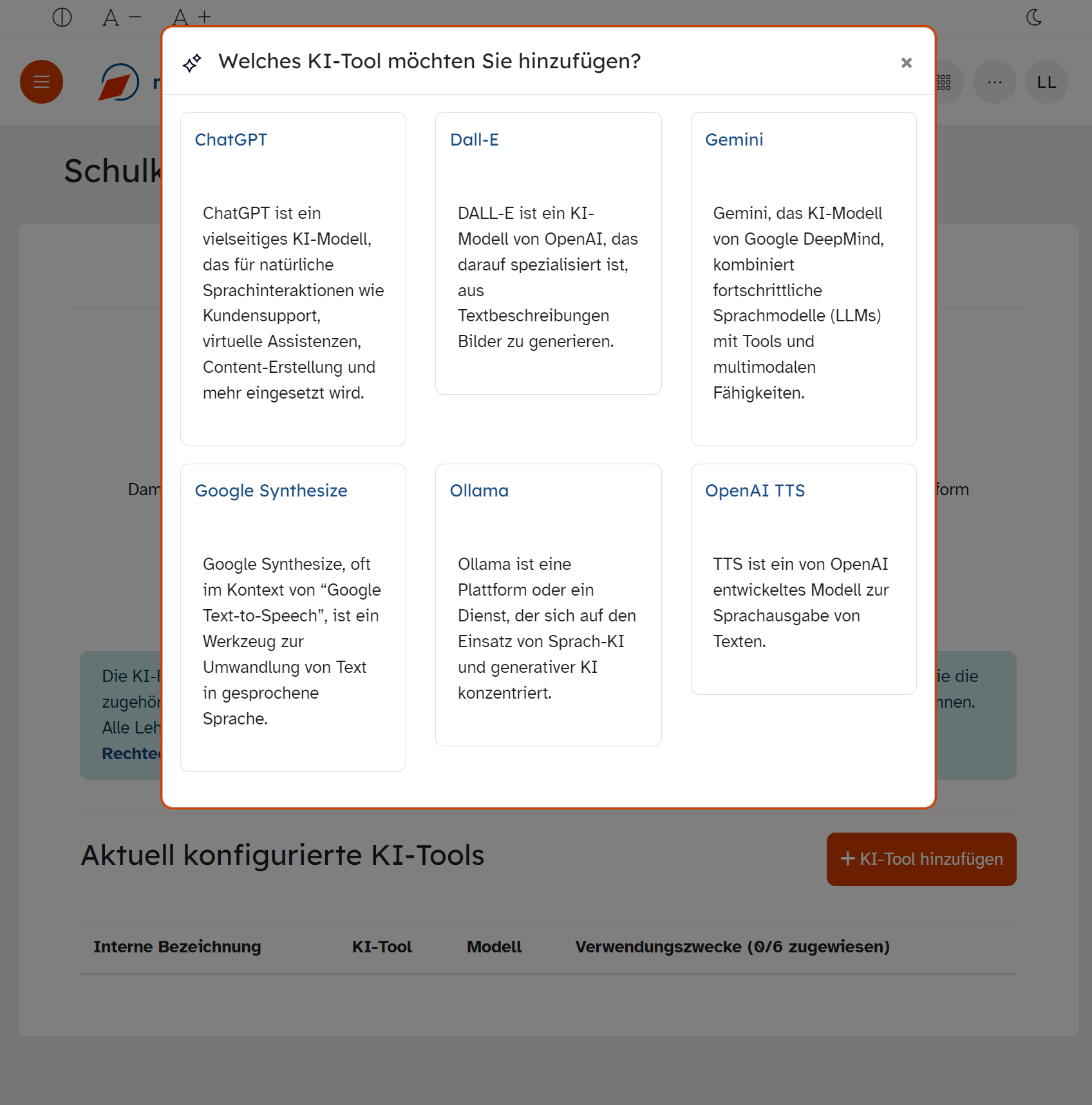
- Modular architecture: The plugin is designed to support different language models (e.g. ChatGPT, Ollama, Gemini) and can easily be extended to support other models due to its subplugin structure.
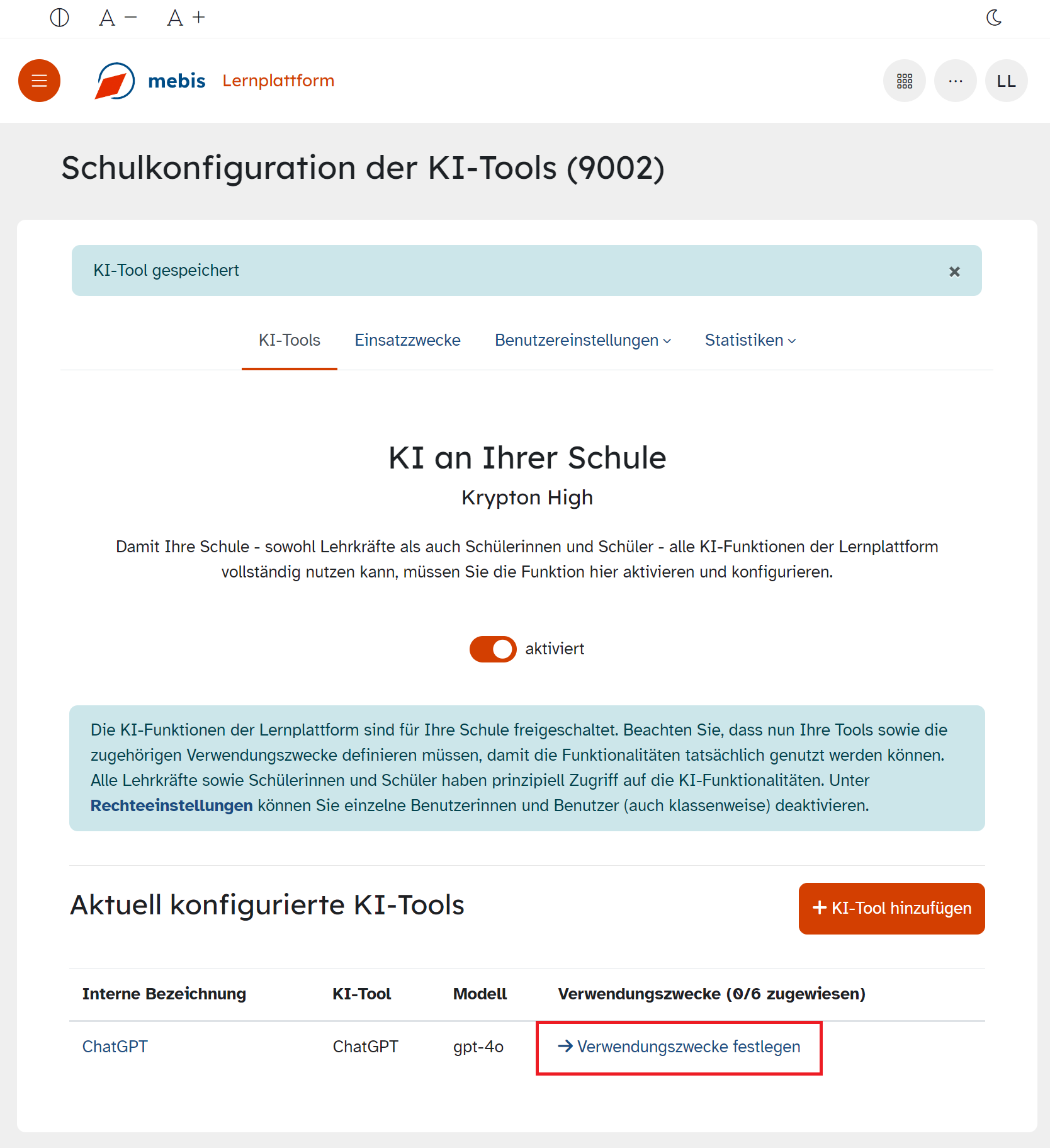
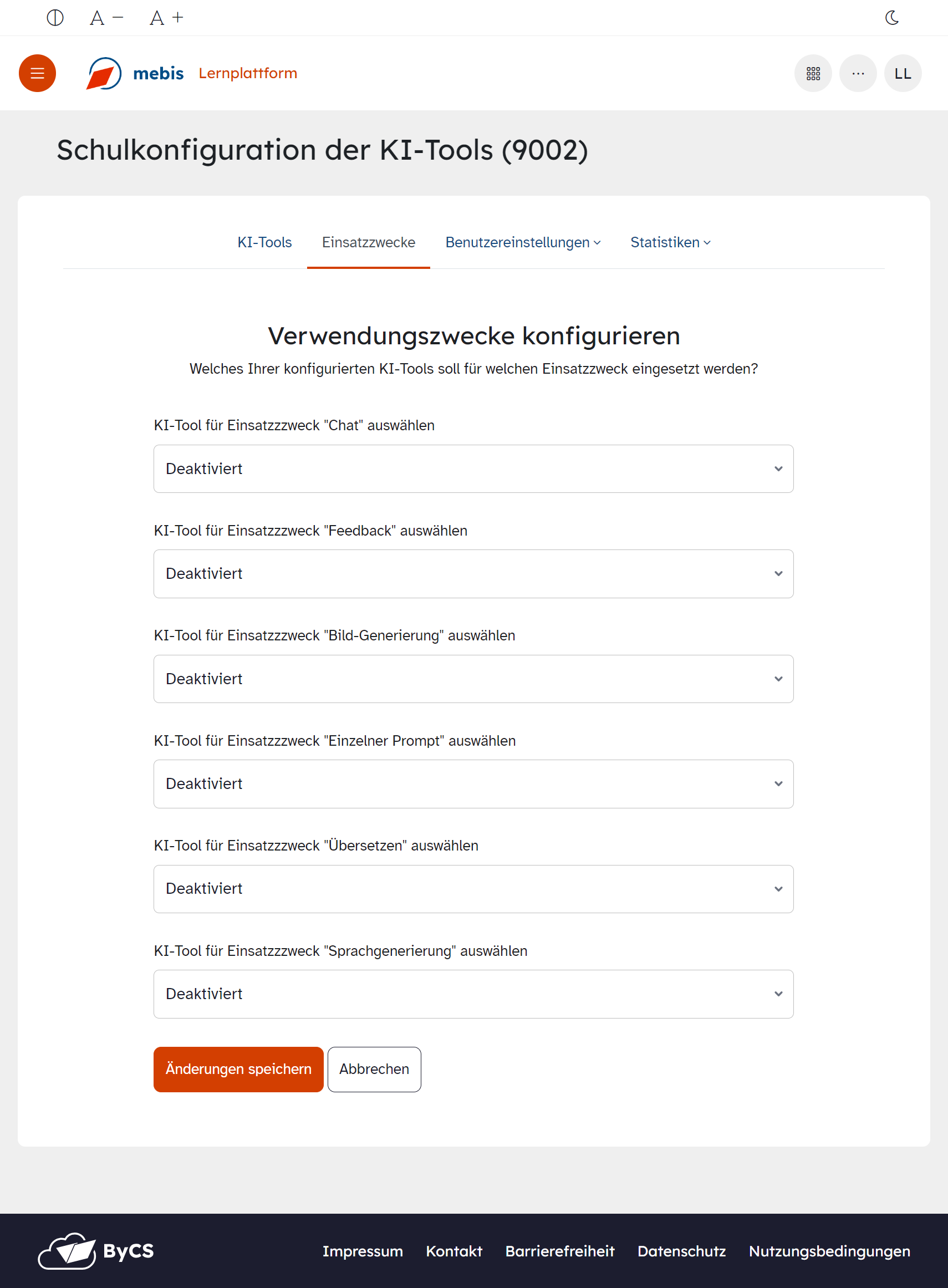
- Define purposes: Administrators can define specific deployment scenarios for the language models to provide different configurations for different use case
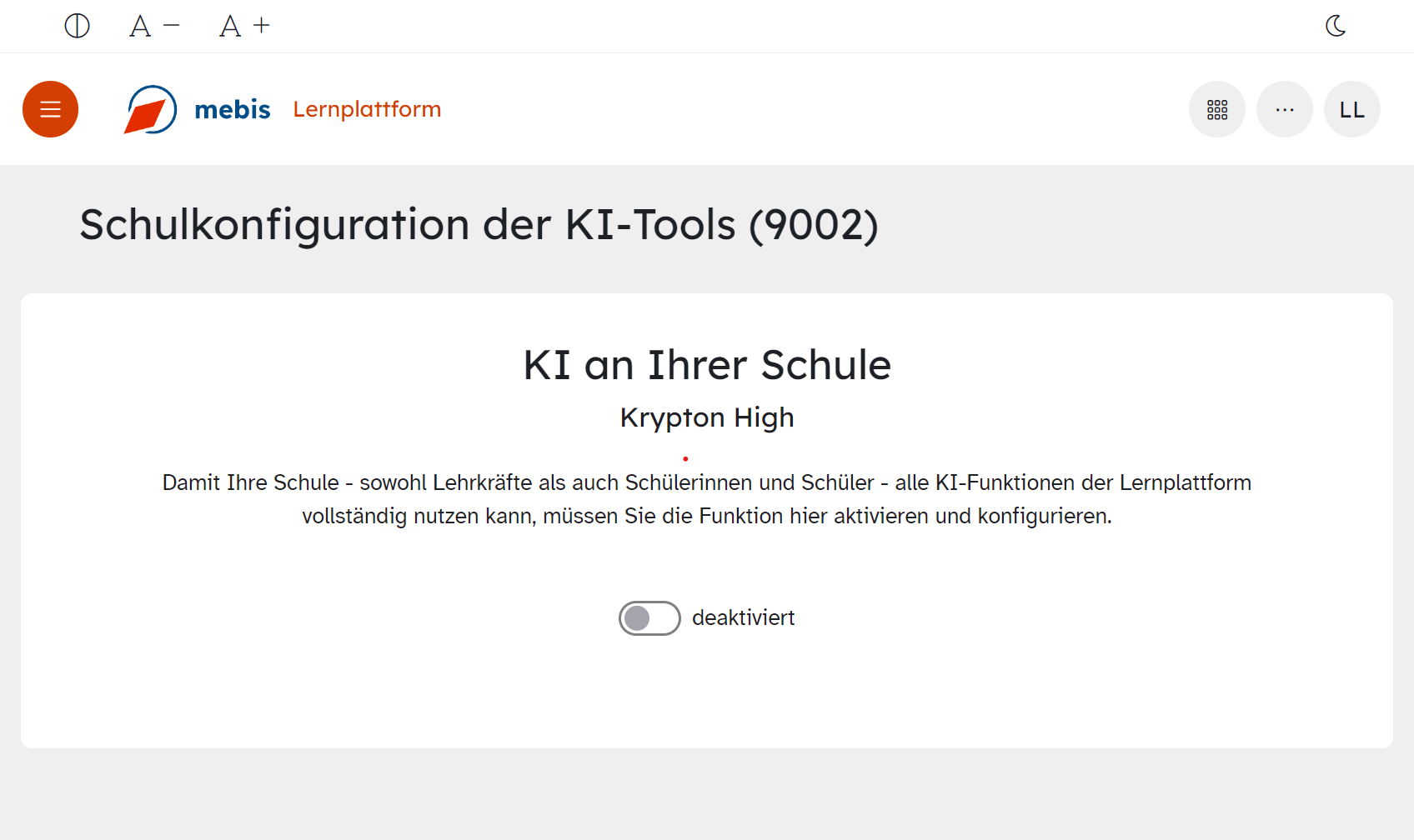
- Tenant administrators: Each tenant administrator has control over whether and which AI functionalities are activated for the users of their tenant.
- Credit management: Each tenant can independently procure credit and make it available to their teachers and students. This enables flexible and needs-based use of the AI tools.
- Detailed Statistics: The tenant admin can view detailed statistics about the usage of users and different language models. More statistics than the default ones can be enabled by capabilities.
- User Control: The tenant admin can enable and disable each user individually
- Role control: Each user can have a role to act as. The consequence is, that the tenant admin can configure different language models for different roles. E.g. gpt4o-mini for students and gpt4o for teachers.
- Integration of self-hosted AI tools: In addition to external language models, AI tools hosted by your organization themselves (e.g. Ollama) can also be seamlessly integrated.
- Extensibility: The plugin is designed to support future extensions and the integration of new AI tools.
The local_ai_manager provides a flexible and scalable solution that enables educational institutions to efficiently use and manage state-of-the-art AI technologies.
You need other plugins to work with the ai_manager: